
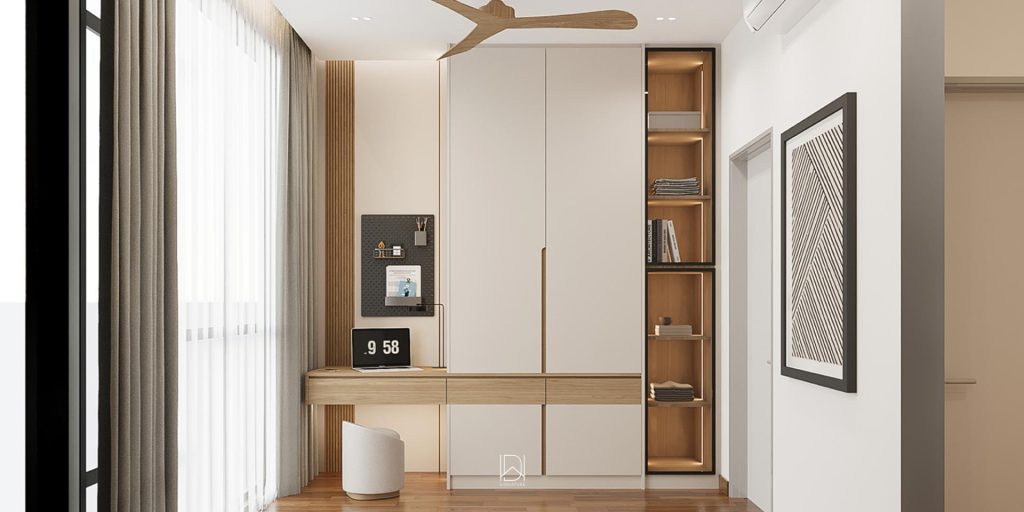
Designing and building small spaces can be both exciting and challenging. With limited square footage, the key is to maximize every inch without making the space feel cluttered or cramped. Whether you’re working with a tiny apartment, a compact office, or a cozy bedroom, the right design and build choices can make all the difference. To help you make the most of your space, here’s a guide on the essential do’s and don’ts of designing and building small spaces.
The Do's of Designing and Building Small Spaces
1. Do Embrace Multi-Functional Furniture
In small spaces, every piece of furniture should serve multiple purposes. Look for furniture that can be easily transformed or used in more than one way. For example, a sofa that converts into a bed, a coffee table with built-in storage, or an ottoman that doubles as seating. Multi-functional furniture helps you design and build a space that saves space while still providing the necessary functionality.
2. Do Use Light Colors to Open Up the Space
Light colors can make a small room feel larger and more airy. Opt for soft whites, light grays, pastels, or neutral tones for walls, furniture, and decor. These colors reflect more light, giving the illusion of a bigger and brighter space. If you prefer bolder colors, consider using them on accent walls or smaller elements to maintain the feeling of openness.
3. Do Maximize Vertical Space
When floor space is limited, look upwards! Use vertical space for storage by incorporating tall shelving units, wall-mounted racks, or hanging plants. Installing shelves above doorways or using hooks to hang items like coats and bags can help free up valuable floor area. Vertical storage helps you design and build organized spaces and adds depth to the room.
4. Do Keep Furniture Scaled to the Room
Choose furniture that’s appropriately sized for the space. Oversized furniture can easily overwhelm a small room, making it feel cramped. Instead, go for pieces with slim profiles, such as narrow sofas or light chairs with exposed legs. The key is to maintain an open flow, allowing you to move comfortably around the space.
5. Do Keep It Organized and Decluttered
In a small space, clutter can quickly make the room feel cramped and chaotic. Make it a priority to keep things tidy and organized. Invest in smart storage solutions like hidden drawers, storage baskets, or decorative boxes that can keep items out of sight. A tidy space looks bigger and feels more comfortable to live in, helping you design and build a home that promotes both function and serenity.
The Don’ts of Designing and Building Small Spaces
1. Don’t Overcrowd the Room with Furniture
While it’s tempting to fit as much furniture as possible into a small room, overcrowding can make the space feel suffocating. Stick to the essentials and choose furniture that serves a purpose. Avoid adding too many items that can block pathways or create a cluttered, chaotic atmosphere. Less is often more in small spaces.
2. Don’t Use Heavy or Dark Furniture Pieces
Heavy, bulky furniture can overwhelm a small room, making it feel cramped and heavy. Dark furniture can also absorb light, making the room feel smaller. Instead, opt for lightweight, streamlined pieces made of materials like glass, metal, or light wood. Light-colored furniture helps reflect light and maintains an airy, open feel, which is key when designing and building small spaces.
3. Don’t Ignore the Importance of Functionality
While aesthetics are important, functionality should always be a priority in small spaces. Avoid choosing pieces that look good but don’t serve a practical purpose. Every item in the room should be useful and contribute to the overall function of the space, whether it’s providing storage, seating, or lighting.
4. Don’t Use Too Many Bold Patterns
While patterns can add personality and interest to a room, using too many bold patterns in a small space can make it feel cluttered and chaotic. Stick to one or two patterns and mix them with solid colors to create balance. For example, pair a patterned rug with a neutral sofa or add patterned throw pillows to a solid-colored chair. This ensures that patterns enhance, rather than overwhelm, the space.
5. Don’t Block Natural Light
Natural light can make a small room feel brighter and more spacious, so avoid blocking windows with heavy curtains or large furniture. Opt for light, airy window treatments, such as sheer curtains or blinds, that allow natural light to flow in. If possible, arrange furniture so that it doesn’t obstruct windows or natural light sources.
Conclusion
Designing and building small spaces may require a bit more thought and creativity, but with the right approach, you can transform any compact area into a beautiful, functional, and harmonious space. By following the do’s and avoiding the don’ts, you can maximize your room’s potential and create an environment that feels spacious, organized, and inviting. Whether it’s a studio apartment, a cozy office, or a small living room, the right small room layout tips and small apartment organization can make all the difference.
